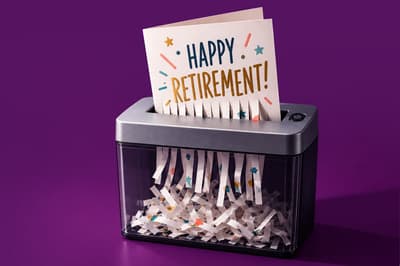
“When do you want to retire?”
It was one of the first questions our financial adviser asked my husband and me. A perfectly reasonable question, and one I’d expected to answer without much thought.
Instead, it stopped me in my tracks.
It wasn’t because we hadn’t planned financially. We’d thought about pensions, savings and what the future might look like. It was the word itself that caught me off guard.
RETIRE!
For a moment, it made me feel old, passed it - redundant. More than that, it made me wonder whether the language we use, and the images we conjure, around later life have kept pace with the people living it.
When I picture my future, I don’t picture stopping. I picture evolving. I want to keep learning. I want to work—but probably differently. I want the freedom to choose projects I enjoy, perhaps develop a second career, spend more time on passions I’ve never had time to pursue, and hopefully stay mentally and physically active for decades to come.
That conversation made me realise something – retirement needs an overhaul.
It’s a shift we’re seeing more broadly across society. People are living longer, staying healthier and redefining what life in their sixties and seventies looks like. Many are blending pension income with consultancy work, starting businesses, mentoring, volunteering, travelling for longer periods, embracing new hobbies or investing more heavily in their health and wellbeing.
For many, work is no longer simply about earning a salary. It’s about purpose, identity and staying connected to the world.
This raises an interesting question for brands. Are we designing products, services and communications for the retiree of yesterday, while today’s customer is busy reinventing themselves?
Whether it’s financial services, travel, healthcare, leisure or retail, the assumptions we make about older consumers matter.
Understanding this audience now requires more than demographic data. It requires understanding changing aspirations, motivations and identities. What does financial security mean when someone plans to continue earning? How do people want to balance freedom with purpose? What gives them confidence as they navigate this next chapter?
These aren’t simply questions for pension providers. They’re questions for any organisation whose customers are approaching this stage of life.
At Gusto, we’re fascinated by these changing behaviours and the human stories behind them. The most valuable insights often come from moments like the one I experienced in that meeting – when a perfectly ordinary question suddenly reveals that the world has changed.
It’s time we start thinking about retirement as the beginning of something entirely new… REINVENTION!
Like this article? Follow us on LinkedIn.